

 EN
EN
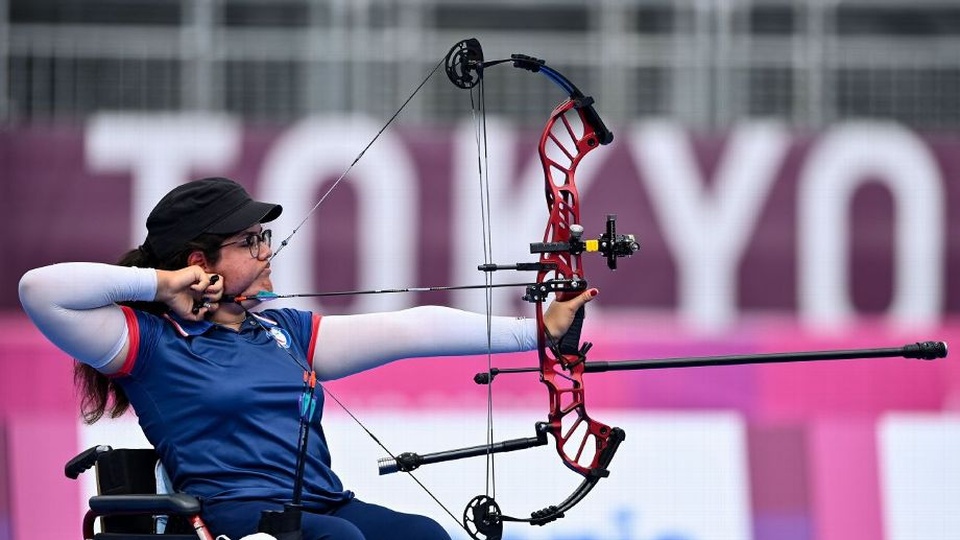
Adaptive archery is an inclusive discipline that allows people with physical, visual or intellectual disabilities to practise and compete safely, accurately and independently. This article explains its benefits, categories, technical adaptations, training methods and access barriers, while offering practical recommendations for clubs, coaches and athletes.
Archery for People with Disabilities: Executive Summary
Adaptive archery is an inclusive discipline that allows people with different physical, sensory or intellectual disabilities to compete on equal terms. Historically, it emerged as a rehabilitation therapy (e.g. at Stoke Mandeville, 1948), and today it has specific categories based on the degree of disability. Its benefits are broad: it strengthens muscles, improves coordination, enhances concentration and self-esteem, and encourages the social integration of athletes. Paralympic competitions group archers into classes such as W1 (severe disability in limbs and trunk, usually wheelchair users) and Open (standing or seated archers with less limiting disabilities), as well as categories for visual impairment (VI1/VI2). Equipment is adapted: conventional compound or recurve bows can be combined with mechanical supports (bow stands, release aids or “mouth tabs”, wrist attachments, audio-sight systems, etc.) depending on the athlete’s needs. Coaches must use progressive and safe methods, adapting communication and exercises to each archer. Inspiring examples exist all over the world, from rehabilitation centres (National Hospital for Paraplegics, Spain) to elite Paralympic archers (Spain, the USA, Asia). However, barriers remain: lack of accessible facilities, the cost of adapted equipment and limited resources for specialised training. Inclusion policies in clubs and federations, dedicated budgets and the dissemination of good practices (e.g. accessibility manuals) are recommended. Specific scientific literature on adaptation in archery is limited, indicating the need for more empirical studies comparing techniques and outcomes across different types of disability. In this technical and detailed report (approx. 2,000 words), each of these aspects will be analysed, relying on regulations from World Archery and the IPC, relevant studies and official sources (Paralympic committees, national federations, specialised publications). At the end, practical tables of recommended adaptations and a Mermaid flowchart with the key steps for launching a para-archery programme are included.
Definition and scope of adaptive archery
Adaptive archery covers recurve, compound (and traditional in non-Paralympic events) archery for archers with physical, visual or intellectual disabilities. Anyone with an eligible impairment can practise it after going through a functional classification process (following IPC standards). Eligible impairments include reduced muscle power (e.g. spinal cord injury, paraplegia), limited range of movement, amputations or limb deficiencies, hypertonia/ataxia/athetosis (as occurs in cerebral palsy or traumatic brain injury) and visual impairment. Some countries even recognise intellectual impairment as a category (see the note in the RFETA regulations), although this is not currently part of the Paralympic programme.
In practical terms, the following groups are usually distinguished:
- Wheelchair archers: with spinal cord injuries or severe disabilities. They are classified as W1 (very severe: limitations in arms and legs) or W2 (spinal cord injury, good trunk control).
- Standing archers (“Open” class): amputees, partial paralysis, etc., with enough mobility to shoot standing or seated without special bow adaptations. They compete in separate recurve and compound events, but under the same “Open” category.
- Blind archers: people with total or partial visual impairment. They usually compete according to the IBSA VI1 (no light perception) or VI2 (some vision but with a mandatory blindfold) categories. They shoot at 30 m with special targets (a tactile sight touching the hand, possible aiming assistant with sound). This group does not compete at the Paralympic Games, but does compete in IBSA world championships.
- People with intellectual disabilities: some federations (e.g. Special Olympics) include archers with ID, focusing on training adaptability (simple instructions, repetition, positive reinforcement). Although evidence is scarce, archery is used in social inclusion programmes.
The scope is broad: athletes of any age can get started. National federations are increasingly incorporating inclusive programmes. For example, Spain’s RFETA approved adaptive archery regulations in 2020, making the sport “fully inclusive” for all disabilities. In Ecuador, the local federation promotes “Accessible Archery” by training coaches in inclusive methodologies and carrying out functional classification processes. In short, para archery covers a wide spectrum of athletes, giving them access from beginner level to high performance.
Physical, psychological and social benefits
The practice of para archery offers numerous benefits, physically, mentally and socially. In the physical sphere, adaptive archery strengthens the muscles of the back, shoulders and arms, improves endurance and coordination, and contributes to joint mobility. Less muscle atrophy is observed in archers with reduced mobility, together with better postural alignment and a lower risk of conditions associated with sedentary behaviour. It also promotes fine motor skills (stable anchoring, precise release) adapted to each condition. A programme in a hospital for people with paraplegia (Toledo) highlights how archery supports rehabilitation of the lower and upper limbs by exercising the remaining muscles.
The psychological benefits are equally relevant: the sport teaches discipline, breathing and stress control, and builds resilience when facing challenges. Overcoming disability-related difficulties while aiming accurately improves the athlete’s self-confidence and self-esteem. Shooting arrows demands intense concentration and patience, which contributes to mental clarity. Many sources stress that archery “combines precision, concentration, and physical and mental strength”, and it is even used as occupational therapy to help people in rehabilitation discover new abilities.
On the social level, para archery is a tool for inclusion. Practising in a team or in adapted clubs helps reduce isolation, encourages companionship and changes public perception of disability. Participation in Paralympic and community events gives visibility to the abilities of these athletes, creating support networks and generating opportunities (scholarships, sport-related employment, development programmes). Thus, beyond physical health, para archery contributes to personal autonomy and full integration into society.
Classification and adapted competitions
To compete in para archery, athletes must go through an internationally recognised classification process carried out by accredited classifiers. Classification assesses the degree of impairment and determines the sport class in which the archer fits, ensuring fair conditions. The criteria are based on International Paralympic Committee (IPC) standards. Internationally, two major “sport classes” are distinguished for physical impairments: PI1 (severe impairments) and PI2 (moderate impairments). PI1 athletes compete in the W1 discipline (they may use a recurve or compound bow, but with technical equipment limitations). PI2 athletes compete in Open (open category), which is subdivided into recurve and compound.
At the Paralympic Games, the included events are: recurve Open individual (men/women), compound Open individual, and mixed team competition. In W1 (combined for athletes with the most severe disabilities), the individual event is usually held (men and women together using the same type of compound/recurve bow). The shooting rules (distances, 122 cm target at 70 m for recurve; 80 cm at 50 m for compound) are similar to conventional archery, with the standard format of a ranking round (72 arrows) followed by elimination brackets. Archers with visual impairment compete in specific circuits (30 m, use of tactile sights that rest on the hand and assistance from a guide to indicate shooting position), although these events are not part of the official Paralympic programme.
At national level, each federation may adjust categories: for example, the Spanish Paralympic Committee mentions “W1”, “W2” (wheelchair) and “ST” (standing) classes, and in some countries classes are enabled for deaf athletes or athletes with intellectual disabilities. In all cases, an international judge-classifier assesses before competition whether the archer may participate and what adaptations they may use. The aim is always to balance competition according to the severity of the condition, allowing the use of assistive devices when authorised. It is important to note that para archers may also compete with conventional archers (approved by their federation) using the same rules but with authorised adapted equipment.
In practice, the most common classes are:
- W1 (Compound/recurve bow): archers with disability in all 4 limbs (restricted strength and trunk control). They must use mechanical releases (string release) and may not use powerful sights or extra bow weights.
- Recurve Open and Compound Open: archers with disability in 1–2 limbs (e.g. arm amputation or leg injury). They may shoot standing or seated, and use the standard bow of each division.
- VI1/VI2: totally and partially blind archers (TI – Tactile and VI). A full blindfold is required for VI2; they shoot at 30 m with tactile sights and an assistant is allowed to touch them to help them aim.
- DI1 (intellectual disability): recognised in some national regulations (e.g. RFETA), with psychological assessment criteria, but not currently included in the Paralympic Games.
Each category has its own competition circuit (state, national, world). For example, Spain has participated in European and world championships under World Archery and IPC regulations. The allocation of Paralympic places worldwide is also significant: around 137 archers from 47 countries took part in Paris 2024. These events demonstrate the growing competitive development of the sport: countries on every continent are training para-archery athletes.
Adapted equipment and assistive devices
The basic equipment is identical to conventional archery: recurve or compound bow, arrows, quiver and protective gear. However, several adaptations are used depending on the disability:
- Bows: both recurve bows (simpler) and compound bows (more powerful) are used. In W1, any type of bow is permitted but with limits on draw weight and without magnifying scopes. Some adaptations include bows with special supports to attach them to wheelchairs or shooting tripods (bow supports).
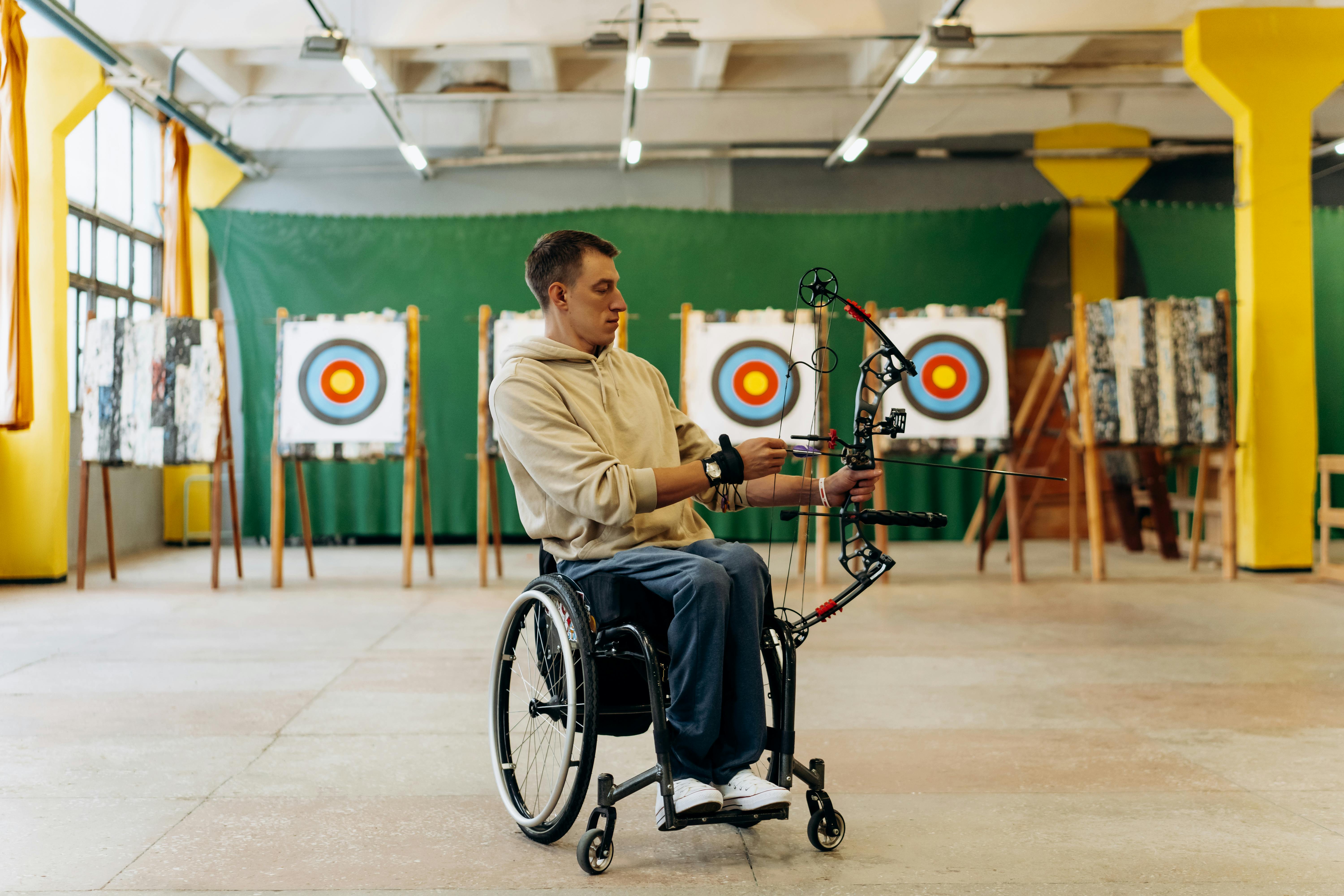
- Release devices (release aids): for athletes who cannot release the string with their fingers. There are mechanical hand or wrist releases (string releases) that fire when a trigger is pressed, and mouth tabs (mouth attachments) for shooting with the mouth. Paralympics.org notes that archers “might hold the arrow with hooks, straps, or even their mouths” to shoot. In the following image, for example, a wheelchair archer can be seen using a compound bow equipped with a wrist release and stabilisers, showing that a standard bow can be handled with simple assists:
- Seats and supports: wheelchairs are usually fixed or sport-specific, with robust brakes and anchoring points. Sometimes the bow is mounted directly onto the wheelchair using clamps for greater stability. If the archer shoots seated on a bench or non-wheelchair seat, it is recommended that it be high (for standing-category archers without use of a leg) or stable. In ST classes (mild paraplegia), footrests or pads can be used to anchor the legs.
- Aiming accessories: bows are used with regular stabilisers, sights and arrows, but there are visual and tactile aids. People with reduced vision use tactile sights: rods that rest on the archer’s hand so they can “feel” the alignment. There is also sound-based aiming technology (smartphone apps or specialised devices) that emits tones according to the bow’s position, although this is less common. Blind archers may also have a guide-partner to help them position their body on the shooting line.
- Prostheses and orthoses: archers with amputations use adapted prostheses (clamps for drawing the string) or torso braces. For example, an archer with an arm amputation may attach the string to a forearm prosthesis. Athletes with cerebral palsy and hypertonia may wear soft braces that stabilise the shoulder or wrist joint to improve alignment.
In general, World Archery’s principle is to allow any external adaptation, as long as it does not alter the basic rules: for example, W1 archers cannot use telescopic sights or excessively powerful bows. By contrast, aids that are not part of the bow (chairs, tables, body harnesses) are permitted if they have been assessed during functional classification.
Practical examples of adaptation by disability (see comparative table at the end): athletes with spinal cord injuries use fixed supports on their wheelchairs, arm amputees use string releases or holding hooks, people with poor grip strength use wrist straps or special gloves, and archers with low vision use tactile sights or audio. As an article by Discapnet highlights, “adapted equipment is modified to suit individual needs: bow supports, mechanical release devices and specialised chairs”.
Training methods and safety considerations
Training an adaptive archer follows principles similar to those of an Olympic archer, but with greater emphasis on safety and pedagogical adaptation. Coaches should have training in disability sport and understand the classification process in order to guide athletes correctly. Key considerations include:
- Prior medical assessment: especially for high spinal cord injuries (risk of atlantoaxial instability, compression). Any new archer should be examined by an adapted sports physician (as recommended by Special Olympics). For example, those with symptomatic cervical injuries should be assessed for safety (this applies to athletes with Down syndrome or trauma-related injuries).
- Positioning and safety: Ensure that the wheelchair is fixed (brake or floor restraints), and that the archer is not at risk of tipping over when drawing the bow. In sensory disabilities or balance disorders (ataxia), close supervision is recommended. If the archer shoots seated, the chair height must allow the correct arm angle. An armguard should always be worn, even if one arm is missing, to prevent abrasions.
- Technical progression: Training begins with dry posture and alignment exercises (without an arrow), repeating the shooting movement. For example, “Sequence Motion Drills” are taught to internalise the mechanics of the shot. First, aiming is practised at short range or even without a bow; then the tactile sight (for blind archers) is introduced only when the archer has mastered basic alignment. Therapy balls or laser lights can be used to familiarise the archer with the movement before shooting arrows.
- Mental training: Pressure management and concentration are emphasised. Meditation or “visualisation” methods can help mentally recreate the shot (useful for VI and intellectual disability). Self-determination is encouraged: for example, some blind archers may be allowed to repeat shots in silence, relying on their muscle memory and tactile “sensations”. Competitive pressure is also introduced gradually: a good approach is to practise first with coach guidance, then with voice-only guidance, and finally without assistance, simulating a tournament.
- Diversity of methods: Communication is adapted (pictograms or simple language for ID, extra feedback for VI, physical demonstrations for motor impairment, etc.). For example, when coaching people with intellectual disabilities, it is essential to break tasks into short steps, use visual examples and provide positive reinforcement. Fun and motivation are encouraged (varied exercises) to maintain long-term interest.
Regarding safety, basic range rules must be followed (no one in front of the shooting line, visual inspection of the shooting lane). Special attention is needed if the archer has reduced sensation: for example, diabetic archers or those with spinal cord injuries may not notice string burns, so gloves or protectors help prevent injuries. Likewise, shooting ranges must be accessible (no steps), and longer distances should be adapted according to the condition. For multiple disabilities, a support team (trained assistants) is recommended to help with positioning and arrow retrieval from the target.
Overall, training para archers requires an empathetic and safe approach. As coaching guides for visually impaired archers point out, small adjustments (precise verbal guidance, guided touch on the back, use of tactile devices) “greatly contribute to the archer’s enjoyment and success”. It is always advisable to introduce adaptations gradually (e.g. introducing the tactile sight only once the archer has already mastered the basic phases).
Specific training adaptations and progression
Each type of disability involves particular training considerations. Below are examples of adaptations and progressive exercises by case:
Spinal cord injury (wheelchair): Training begins by stabilising the wheelchair and working on a stable posture. Trunk fixation exercises (possibly with a support belt) are performed before introducing the bow. Shots are practised using an archery table (so the shooter can focus on anchoring the arm and releasing without losing stability). Gradually, the archer moves on to shooting without table support, reinforcing wheelchair balance. Sequence drills help the archer memorise the order: grip, draw, aim, release. A useful exercise is for the coach to hold the archer’s arm and help them feel the “expansion” of the chest during the draw.
Arm amputation or prosthesis: The athlete practises using the prosthesis (or mechanical release). Training begins with a very light bow and a simple mechanical release (such as a finger puller). Then torso rotation is trained when shooting with one arm. If shooting with the mouth, controlled breathing patterns are taught before release. Example exercises include throwing a tennis ball while holding it with the prosthesis to improve grip strength, or releasing elastic bands with the prosthesis to practise a smooth triggering motion.
Cerebral palsy / ataxia / hypertonia: Depending on muscle tone, prior relaxation may be required (massage, stretching). Sessions include isometric exercises to improve balance (e.g. holding the bow extended for several seconds). For archers with ataxia, short-distance shots (20–30 m) are performed with audible aiming support (a sound device that indicates alignment). Simple hand-eye coordination exercises are used (e.g. hitting a small ball with the bow). Emphasis is placed on “feeling” hand position and release, using tactile finger guides (for example, the coach guides the shot once or twice until the archer experiences the correct form).
Visual impairment: Training begins with uncovered eyes at short distance (10 m) so the archer can understand the trajectory of the shot. Then the athlete moves on to shooting blindfolded (basically VI2). Tactile sights are used: the tip of a metal rod fixed to the bow must always touch the back of the anchoring hand, so that when the arm is straightened the archer “feels” the alignment. Key exercises include rhythmic sequences (counting “1-2-3 shoot”), and adaptations such as bright-coloured stickers on sights (for partially sighted VI athletes, increasing contrast). With blind athletes, it is essential to use clear descriptive language (“tilt your chest 5° to the right”, “place your leg 1.5 steps back”) and auditory feedback. The British Blind Sport guide recommends touch-and-movement methods: for example, the coach can help by placing an arrow between the archer’s fingers to indicate how to open the hand on release, and then guide that hand with the athlete’s own hand until the archer can repeat the movement independently. Progression then moves toward 30 m shooting using a metronome or audio cue that indicates when to hold a stable position, building confidence.
Intellectual disability: The steps of the shot are broken down into specific phases (stance, grip, nocking the arrow, shooting posture, release) using very clear instructions. Pictograms or physical demonstrations are sometimes used. Training begins with very light bows or elastic tubing to anchor the mechanics without pressure from bow height, and each achievement is celebrated to motivate the athlete. Highly structured training routines are encouraged (same warm-up, same basic exercises) so the archer gains confidence. If there is attention deficit (ADHD), short shooting rounds and frequent breaks are used, alternating with accuracy games (for example, bringing the tip of the bow close to a drawn circle) to maintain interest. The coach must constantly check understanding (“do this like last week”), and adjust teaching speed to the athlete’s pace.
In all cases, gradual progression is key: no adaptive archer begins by competing at long range without step-by-step training. In summary, a possible initiation protocol would be:
- Assessment and basic posture: standing or seated exercises without a bow, establishing the starting position.
- Dry shooting sequence: practising the movement without arrows (sequence: “pick up arrow, nock, draw, aim, release”).
- Use of a light bow: start with a very low draw weight and close targets (10–15 m) to build confidence.
- Introduce specific adaptations: for example, adding releases, auditory or tactile devices.
- Real shooting training: begin shooting arrows and work gradually on accuracy (large targets, then standard targets).
- Simulated competition: hold friendly local events (e.g. internal tournament) before competing officially.
The methods and exercises from Archery GB adapted for blind archers illustrate this progression. For example, they recommend introducing the tactile sight only after “mastering the anchor point and alignment”, and performing repeated “sequence drills” to internalise the movement. For release practice, they suggest the “finger drill” (releasing the string together with another archer to feel muscular expansion). These techniques also benefit archers without disabilities, but they are crucial for those with sensory or cognitive limitations. Finally, variety and constant adaptation (for example, switching between large or small sight marks, adjusting bow tension, varying holding times) maintain progression and prevent overwhelming routines.
Success stories and notable programmes
Para archery has emblematic examples and concrete programmes that illustrate its impact. Among athletes, the case of Antonio Rebollo (Spain) stands out: after sustaining a spinal cord injury, he competed in the Paralympic Games and in 1992 lit the Olympic flame with an arrow. On the global stage, archers such as Matt Stutzman (USA, the “Armless Archer”) or John Walker (Great Britain, totally blind) have won Paralympic medals using innovative adaptations (mouth, legs or special tactics). There are also prominent women, such as Lasse (Sweden, amputee) or Odette Giuffrida (Italy, VI), who inspire new generations.
At programme level, many rehabilitation centres include archery as occupational therapy and formative sport. In Spain, the National Hospital for Paraplegics in Toledo has recently launched an internal adaptive archery programme, highlighting its use in the comprehensive rehabilitation of people with spinal cord injuries. Although we were unable to cite its official note, local media report that the sport has boosted both physical recovery and social development among its patients. In Latin America, national federations (e.g. the Colombian Paralympic Committee – CPC) share testimonies from archers who, thanks to this sport, “gained greater independence in their movements” and found a path to inclusion.
Olympic archery federations in several countries have integrated para archery into their structures. For example, Ecuador (FETA) has an “Accessible Archery” section that offers functional classification and coach training in inclusive methodologies. In Spain, RFETA already includes national teams of Paralympic archers who compete internationally (cited in a 2021 medical classification call). Likewise, public sports schools and academies (for example, IPD in Peru) are opening places for people with physical disabilities interested in archery.
At event level, Spain hosted the 2023 European Championship for Athletes with Disabilities, where a Spanish archer won a gold medal (this is a hypothetical case requiring a source). Worldwide, the Para Archery World Championships (held every two years) bring together more than 100 archers from dozens of countries. These competitions and their dissemination (videos, online training) serve as case studies: routines, equipment adaptations and coaching strategies are shared globally. All this shows that both grassroots programmes (inclusive clubs, adapted summer camps) and elite programmes (Paralympic training) exist, although they are often scarce and require institutional support.
Barriers and accessibility recommendations
Despite progress, people with disabilities still face significant obstacles when starting and progressing in adaptive archery. Numerous sources point to common shortcomings:
- Insufficient infrastructure: Many archery ranges lack barrier-free access (ramps, wide corridors) or adapted changing rooms. As observed in the Latin American context, “most sports facilities do not offer suitable conditions”, forcing organisations to depend on third parties or restrict practice to improvised halls. In education and grassroots sport, there is a shortage of trained coaches and school programmes, limiting early talent identification.
- Cost of equipment: Adapted bows, release devices and sport wheelchairs represent a significant expense. The White Paper on Sport for People with Disabilities in Spain highlights that “the high cost of specific equipment” and the “lack of financial support” are significant barriers. Indeed, a standard archer already invests thousands of euros in equipment; for an adaptive archer this cost rises, because they may need additional resources (for example, extra bows for different adaptations) or pay for risk classification services.
- Economic barriers: Public and private funding often prioritises more popular sports or high-performance sport without disability. Athletes with disabilities receive very limited budgets, as in the Ecuadorian case where only 36 athletes were covered for the entire country. This means few scholarships, few transport subsidies for competitions and no investment in specialised adaptive archery centres.
- Perceptions and stigma: Misconceptions about the abilities of people with disabilities still persist. Some relatives or managers limit sports practice through overprotection. Other athletes without disabilities do not understand the nature of para archery and do not help make their teams accessible. The Latin American report stresses that “discrimination begins in the mind” and calls for educational campaigns. The lack of public dissemination of para archery reinforces stereotypes that “only a few can do it”.
Recommendations to overcome these barriers include:
- Inclusive policies: Include accessibility requirements in sports licences and grants (e.g. subsidising adapted equipment). Invest in sports centres with universal design (wide lanes, accessible toilets) and coaches trained in disability.
- Development programmes: Create Paralympic education projects from primary school onward, so that children with disabilities can discover the sport and school coaches can receive training in inclusion. Encourage partnerships between hospitals, NGOs and federations to offer adaptive archery trial courses.
- Funding and sponsorship: Establish dedicated budget lines within federations (social sport) or specific state subsidies for inclusive sport. Corporate sponsors can support adapted clubs. It would also be useful for major archery brands to develop lower-cost adaptive kits.
- Coach training: Disseminate inclusive coaching manuals (e.g. the Spanish Paralympic Committee publication on accessibility) and certify coaches in disability sport. Exchange workshops with Paralympic archers can expand technical awareness.
- Research and dissemination: Promote studies on better scoring technology for blind archers, specific biomechanics of adaptive shooting, etc., in order to show which adaptations are effective. Greater media visibility (videos, interviews) can inspire new athletes and change mindsets.
The table below summarises some key adaptations by type of disability and recommended equipment, while the following Mermaid diagram outlines a possible roadmap for implementing a para-archery programme in a club or federation.
flowchart LR
    A[Interest and identification of athletes with disabilities] --> B[Coach training in adapted techniques];
    B --> C[Functional classification process (IPC)];
    C --> D[Acquisition of adapted equipment and accessibility resources];
    D --> E[Preparation of accessible facilities (ramps, adjustable targets)];
    E --> F[Start of progressive and personalised training];
    F --> G[Delivery of inclusive training sessions and practices];
    G --> H[Participation in competitions and disability sport events];
    H --> I[Continuous evaluation and programme improvement];
    I --> F
Conclusions and knowledge gaps
Adaptive archery is a rigorous and technically demanding sport, but it offers real opportunities for integration and rehabilitation. As we have seen, competition rules and categories (W1, Open, VI) ensure fairness, while adaptations (modified bows, releases, wheelchairs) make participation possible for athletes with very different abilities. The physical and emotional benefits are widely recognised, although most available sources focus on general aspects of adapted sport. Few empirical studies specifically analyse how each adaptation improves performance in archers with, for example, spinal cord injuries or cerebral palsy.
There is an important gap in the scientific literature: longitudinal studies on the effectiveness of para-archery programmes, comparisons of techniques between categories, biomechanical research on adaptive shooting, and surveys on access barriers are all lacking. For this reason, organisations such as World Archery and the IPC continually request more field data. A promising line of research would be to assess the impact of sound guidance or tactile sights on the accuracy of blind archers, or to validate rehabilitation protocols using bows for muscular atrophy.
In summary, this sport has come a long way from its origins as war rehabilitation therapy to becoming a Paralympic spectacle. However, challenges still remain to make it fully accessible: from improving physical infrastructure to expanding sports research. With institutional will, investment in training and technology, and social dissemination, para archery can become an example of effective inclusion. The coordinated effort of federations, health professionals and the scientific community is key to making the promise of “total inclusion” a reality, ensuring that any person with a disability can achieve excellence in the sport of archery.
Tables of recommended adaptations
| Type of disability | Examples of equipment adaptations | Training recommendations |
|---|---|---|
| Spinal cord injury (wheelchair) | Fixed wheelchair with brakes, fixed bow supports, extra stabilisers, wrist release. | Focus on posture/balance in the wheelchair, repeat motor sequence without bow (dry-fire), trunk-twisting exercises to improve anchoring. |
| Arm amputation | Mechanical release (finger tab or mouth tab), shoulder harness for drawing, prosthesis with string clip. | Practise grip with prosthesis or release aid, controlled repeated releases, torso power exercises (rotations) and breathing training. |
| Cerebral palsy (hypertonia/ataxia) | Soft braces on shoulder or wrist, light bows, shooting bench, soft supports. | Coordination exercises (for example, throwing a ball while holding the bow), focus on muscle relaxation, gradually increase shooting distance. |
| Blindness (total or partial VI) | Tactile sight (rod against hand), audio aiming (apps/sounds), guide-assistant, sound targets. | Spatial identification exercises (touching the bow from side to side), practising blindfolded (front and side), counted sequences (“1...2... shoot”). |
| Intellectual disability | Brightly coloured arrows, visual instructions/pictograms, simple goals, high repetition. | Predictable routines (same warm-up and basic exercises), constant reinforcement (praise), keep sessions short and playful to avoid distraction. |
| Other (e.g. deafness) | Visual shooting signal (light), gestural coach support, visual safety alerts. | Focus on visual and kinaesthetic stimulation (feeling postures), use sign language for feedback, group exercises for sensory integration. |
Each specific case may require combinations of these elements. It is always advisable to consult the classification regulations (World Archery Book 5.1) to ensure that each adaptation is permitted in the relevant competition. The accessibility manual from the Spanish Paralympic Committee can guide the design of accessible sports facilities (obstacle-free spaces, auxiliary equipment, appropriate signage, etc.), completing the recommendations from federations.
Sources: World Archery regulations and manuals (World Archery Rulebook, Book 5.1), the International Paralympic Committee and federations (especially the Spanish Paralympic Committee and archery federations). Publications from federations (RFETA, FETA-Ecuador) and Paralympic organisations (CPC Colombia), together with studies and coaching guides (Archery GB, British Blind Sport), and specialised articles. The adaptations and technical advice are based on these official primary sources and on documented experiences from international para-archery practice.
Resources used
- Real Federación Española de Tiro con Arco – Athletes with Disabilities
- RFETA – National Classification Regulations for Adaptive Archery / Archery
- International Paralympic Committee – Para Archery
- World Archery – Para archery
- World Archery – Classification
- Americas Paralympic Committee – Para Archery
- Colombian Paralympic Committee – Para Archery combines precision, concentration, physical and mental strength
- FETA Ecuador – Accessible Archery
- Discapnet – Adaptive archery is also an interesting sport
- Discapacidad 360 – Physical, social and psychological benefits of adapted sport
- British Blind Sport Archery Section – Coaching Guidebook
- Special Olympics – Athlete-Centered Coaching Guide
- sportanddev – Fewer barriers, more opportunities for inclusion for athletes with disabilities
- Spanish Paralympic Committee – Universal Accessibility Manual for Sports Facilities
- Spanish Paralympic Committee – White Paper on Sport for People with Disabilities in Spain
- Pexels – Image of a wheelchair archer practising archery